
Industrial Construction for Denver Owners
A Denver industrial parcel arrives with a rail easement, a floodplain line, a stormwater requirement and a neighbor on every side, and the building comes last. Industrial Contractors of Denver builds inside those limits. We deliver ground-up plants, distribution buildings, cold-chain facilities and the yards, aprons and utilities around them, from the South Platte valley north through Commerce City and out to the airport.
Denver sits at 5,280 feet. It takes roughly 49 to 54 inches of snow a year depending on the station, and its hail record includes three of the ten costliest storms in the country. We plan roof systems, drainage falls and winter sequencing with that record on the table, not as an afterthought in the closeout binder.
What a site tells us before we price it
Every bid starts with a site walk and a records pull. We look for the rail line, the utility corridor, the old fill, the drainage path and the adjacent use, in that order. Industrial land in this metro has a history, and the history decides cost.
North of downtown, the Elyria-Swansea and Globeville neighborhoods sit where I-25, I-70 and a major railroad crossing converge, and legacy smelter contamination is documented there. East of those neighborhoods, the former arsenal area in Commerce City was cleaned up for $2.1 billion, and about 1,000 acres of it will be managed permanently by the Army, with landfills, consolidation areas and groundwater treatment facilities. We do not guess at what is under the slab. We ask for the environmental reports early, we build soil handling and dewatering into the schedule, and we flag brownfield conditions to the owner before they become change orders.
Rail is the other early question. Commerce City reports two Class I freight lines, and rail access is part of what makes a parcel worth more. We coordinate the turnouts, ballast, crossings and loading tracks that connect a building to the main line, under the rail spur site improvements scope, and we coordinate the railroad's own review as a schedule item from week one.
Water is the third. A large roof and a large paved yard shed a lot of runoff onto a flat valley floor. We design and build detention and conveyance as a system, covered in our work on stormwater detention and drainage, so that the outfall, the pond volume and the paving grades agree with each other before concrete is ordered.
Cold chain and food production
Refrigerated space is the most unforgiving building type we deliver. A freezer floor that heaves, a vapor barrier that fails or a dock door that leaks warm air is a permanent operating cost, not a punch-list item. For owners in the cold storage and refrigerated sector we treat the floor assembly, the insulated envelope, the dock seals and the refrigeration rough-in as one coordinated package. Underslab heat, vapor control and panel joints are laid out on paper first and inspected in the field before each cover-up.
Food and beverage plants add washdown finishes, floor drains, slopes and sanitary detailing to the same list. Some owners are retrofitting rather than building new, so we also take on dock conversions inside operating buildings and phase the work around production schedules and cleaning cycles.
Not every cold project is a new freezer. Some are a new row of doors on an old wall, a new evaporator room or a pad for added condensers. We price those with the same drawings-first method and sequence them so the plant keeps shipping.
Commerce City, Adams County and the north corridor
The densest block of new industrial supply in the metro runs through Commerce City and the northern suburbs. Commerce City is served by I-76, I-270, E-470 and U.S. Routes 6, 36 and 85, and it borders Denver International Airport. A three-building, 466,000 square foot rail-served project at 96th Avenue and Heinz Way and a six-building, 1.1 million square foot park at I-25 and E-470 in Thornton show the scale of what is being delivered.
The codes change between those two places. Commerce City adopts the 2021 International Building Code with 49 local amendments, including sprinklers throughout S-2 parking garages. Thornton has enforced the 2024 International Building Code since July 6, 2025. Denver adopted new building and fire codes on June 13, 2025, built on the 2024 International Building Code. Colorado does not apply one commercial code across its jurisdictions, so we confirm the adopted edition and local amendments for each permit set instead of reusing a package from the last job.
Northglenn, Federal Heights, Sheridan, Englewood and Littleton complete the in-town and near-suburban market, and Arvada, Wheat Ridge, Lakewood, Golden, Westminster and Broomfield cover the west and northwest. Tight lots, shared access drives and residential neighbors are normal in those markets, and we plan haul routes, noise windows and dust control the way an infill builder must.
Airport-adjacent logistics
Denver International Airport owns 33,531 acres and runs six runways, one of them 16,000 feet long. Its passenger count reached 82,427,962 in 2025. Peña Boulevard ties the airport to I-70, E-470 has a full interchange with Peña, and the A Line carries rail passengers to Union Station. For shippers, that adds up to a narrow, valuable ring of land, and we build there.
The Denver International Airport area carries its own constraints: height limits near approach paths, aircraft noise review, wide-open wind and long utility runs. A distribution center near the airport is usually a cross-dock or sortation building with deep truck courts. We lay out dock positions, trailer stalls and turning radii on the site plan with the owner's operator, then size the pavement section for the heaviest daily loading. Where a user needs yard storage or a drop lot, we add stabilized trailer areas so equipment is not parked in mud after the first spring thaw.
How a job runs
Preconstruction is where we earn most of the schedule. During preconstruction services we compare structural systems, set a logical budget by division, identify the long-lead items and write the permit path. Switchgear, rooftop and refrigeration equipment, overhead doors and dock equipment can run longest, so we place those orders on a procurement schedule tied to the foundation start. We can offer a design-build contract where the owner wants one point of responsibility, or we build from a finished set when the design team is already engaged.
Plenty of industrial work happens beside people who are still working. When a plant must keep running, we use phased construction on occupied sites: separate gates for trades, temporary partitions, scheduled shutdowns for tie-ins and daily coordination with the plant's own safety lead. We write the shutdown plan before mobilizing, not on the day of the outage.
Safety and quality are measured on the jobsite. We hold pre-task planning for each crew, inspect in-place work before it is covered, and track open items to a closeout list the owner can read. Commissioning is a deliverable, not a courtesy: systems are tested, documented and handed over with the information facilities staff will need after we leave.
Who we build for
Our owners and developers are operators who count pallets, tons and trailers. They include manufacturers adding a line, shippers consolidating networks, food and beverage producers, power and utility users, and developers building speculative space for tenants they have not met yet. We write our scopes in the same terms they use to run their buildings, because a contractor who misreads a flow diagram builds the wrong building.
We have no slogan to offer and no list of past projects to recite. What we offer is a method and a set of capabilities you can check on this site: the service pages describe how we execute each trade package, the building type pages describe what we deliver, and the location pages describe the codes, corridors and constraints in each market.
Common Questions
What does Industrial Contractors of Denver build?
We build industrial and logistics facilities and the site work around them: warehouses, distribution centers, manufacturing plants, cold storage, food and beverage plants, flex buildings, truck courts, utilities and rail connections. We also renovate and expand operating facilities.
Which areas around Denver do you serve?
We work across the Denver metro, including Denver, Commerce City, Thornton, Northglenn, Federal Heights, Sheridan, Englewood, Littleton, Arvada, Lakewood, Golden, Wheat Ridge, Westminster, Broomfield and the airport area. Our location pages explain the codes and corridors for each.
Can you build while our facility keeps operating?
Yes. We plan separate access, temporary partitions, scheduled utility outages and daily coordination with the plant's own safety lead, and we write the shutdown plan before we mobilize.
Do you handle rail and stormwater work?
We build rail spur connections, detention and conveyance systems, truck courts and utilities as part of the same project, so grades, pavement sections and outfalls are coordinated across scopes.
How do you handle different building codes across jurisdictions?
Colorado adopts commercial codes city by city and county by county. We confirm the adopted edition and local amendments for each permit set and design the work to that jurisdiction, not to a generic standard.
Talk to Our Project Team
Industrial Contractors of Denver
Project reviews for Denver, CO and nearby communities
Request a Review
Industrial Construction Services
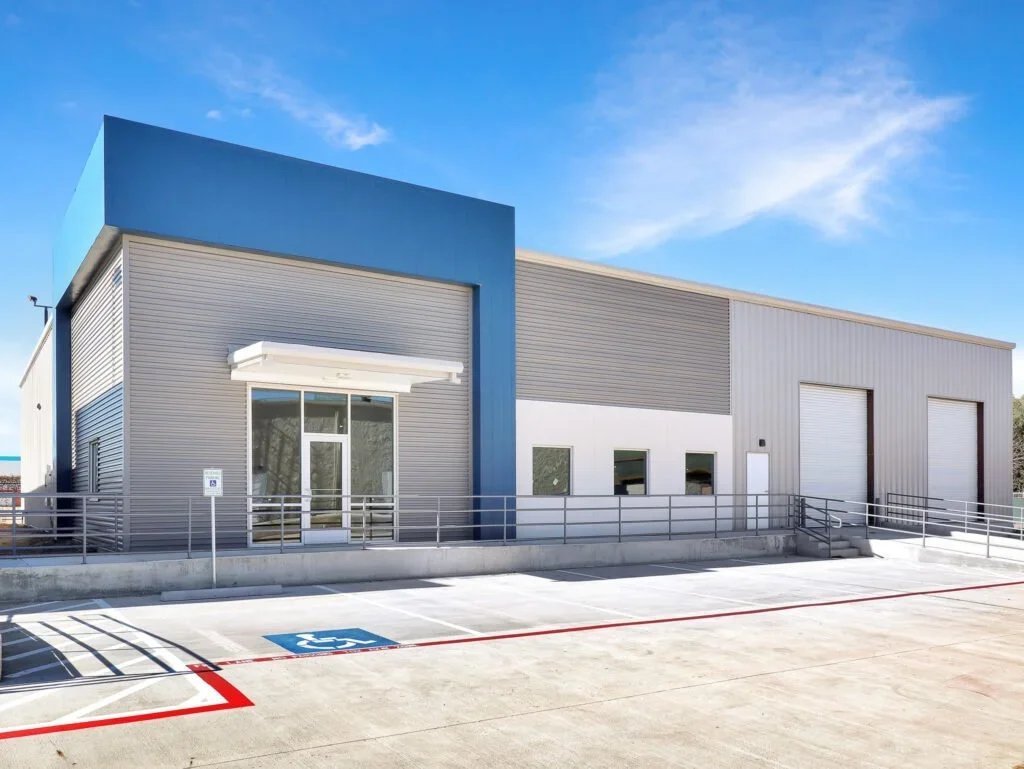
Ground-Up Industrial Construction
Ground-up industrial construction in Commerce City, Thornton and the DIA corridor, planned around rail access, stormwater limits and city-by-city codes.
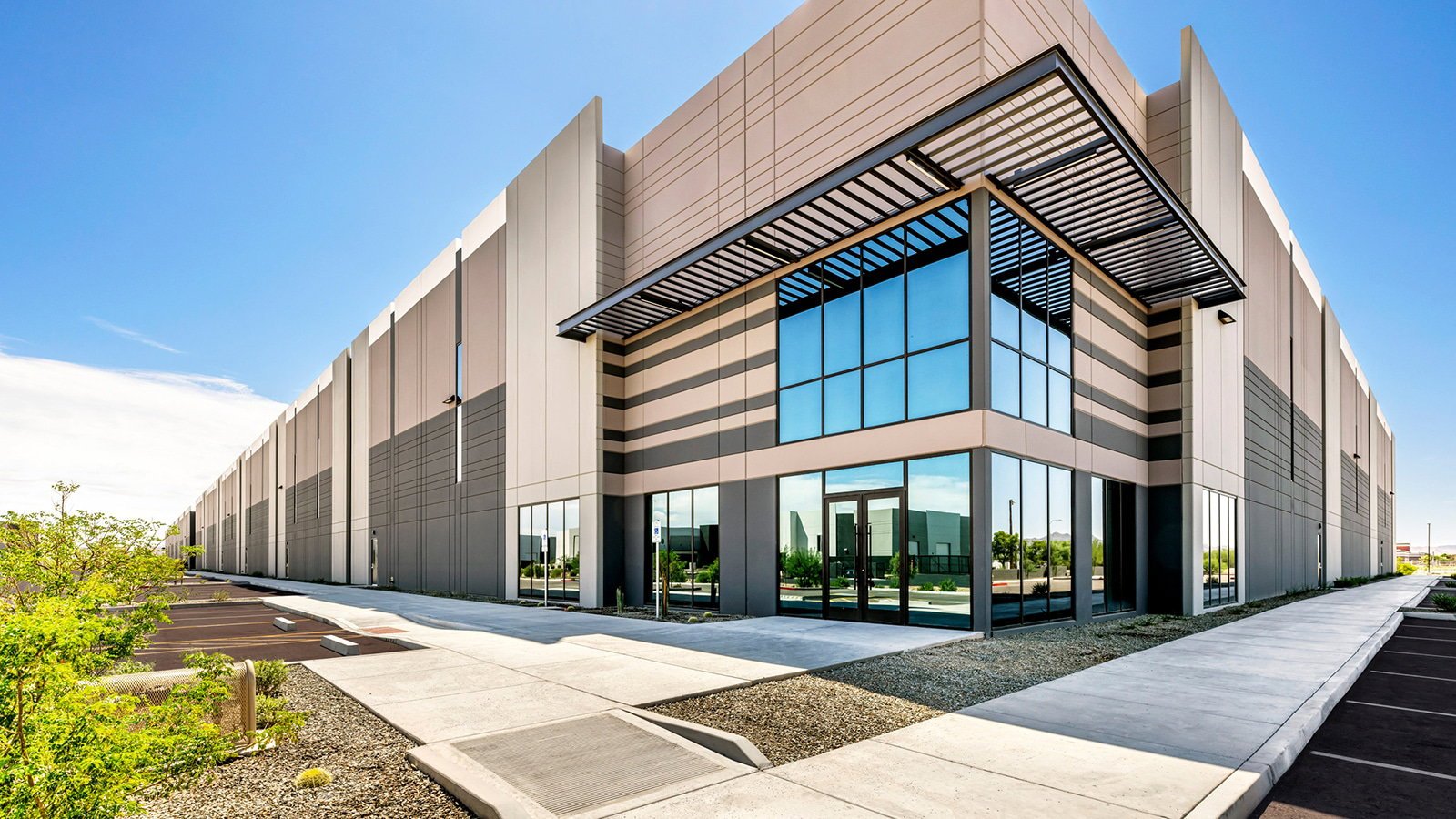
Industrial Design-Build
Single-contract industrial design-build for Denver metro plants, warehouses and process buildings, with one team responsible for design, price and schedule.

Industrial Preconstruction Services
Preconstruction for Denver metro industrial projects: site diligence, brownfield screening, early pricing, constructability review and long-lead planning.
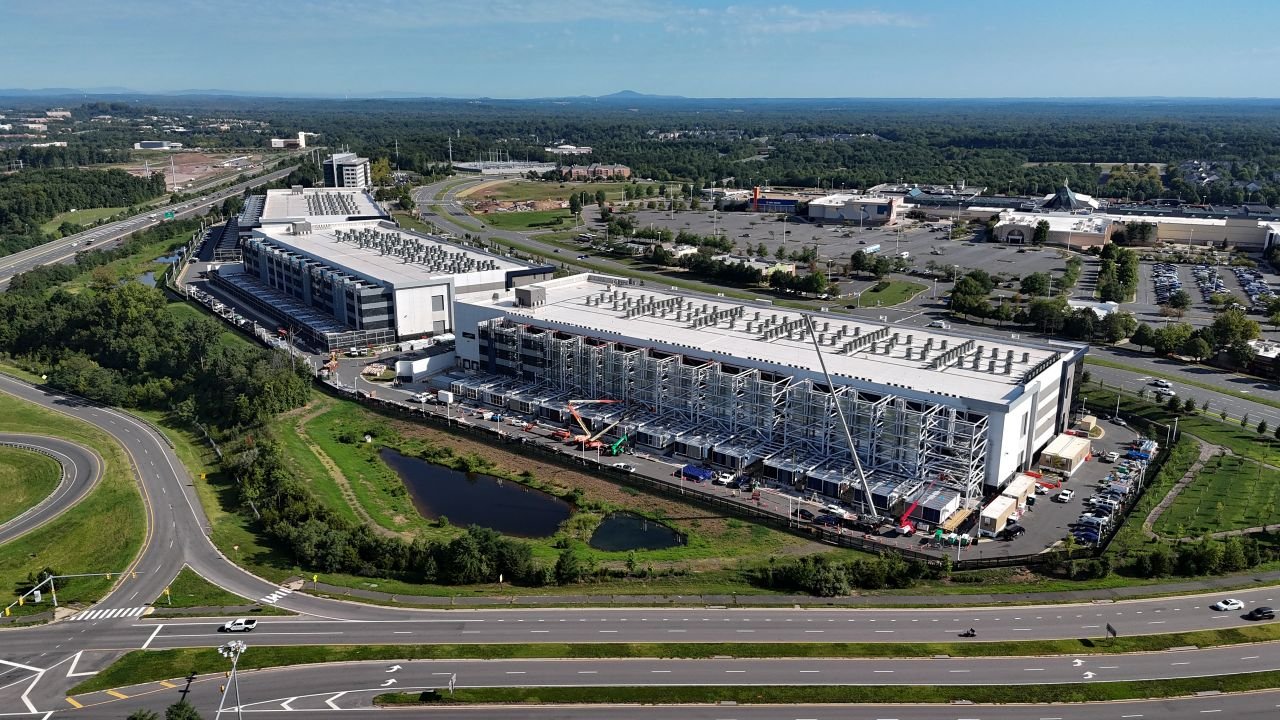
Permitting and Entitlements Coordination
Permitting and entitlements coordination for industrial sites in Denver, Adams County and the north metro, matched to each city code edition and review process.